This is polished copper on day one.
Left to patinate, copper darkens under hands. On the right building that is the specification working, not the finish failing.
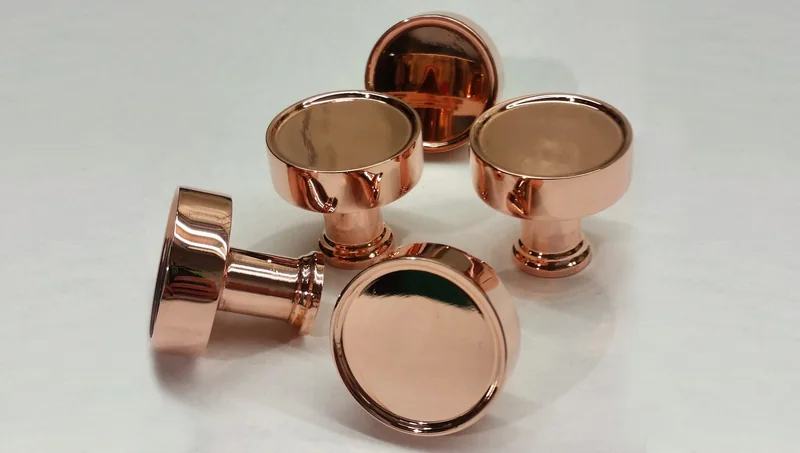
Will it stay looking like that?
No, and it is not meant to. Brass and bronze left to patinate are exempt from the corrosion requirement, because the patina is the point. Tell the client before handover, not after the first complaint.
A finish can be wrong for a building.
That is a specification fault, not a manufacturing one. It is settled before the order, not after the corrosion.
Where do finishes actually fail?
Lacquered brass at the coast. Standard stainless in a pool. Grade 316 adds molybdenum and resists chlorides, which is why it is the coastal and pool specification.
Corrosion grades to BS EN 1670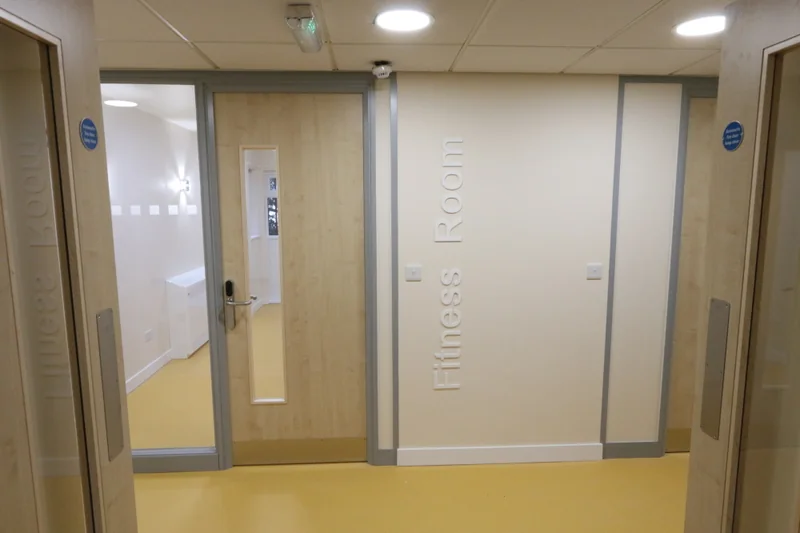
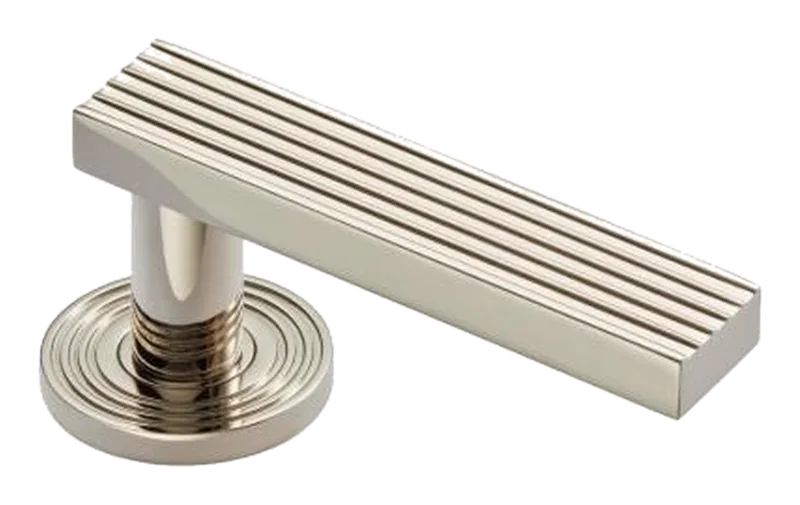
A screen lies about metal
Metal is specular. It shifts with the light in the room, the lacquer and the maker's polish. Hold the shortlist against the actual door face before you commit.
Matching and refinishing an existing finishWe will post the finishes that will survive your building.